

Developh is a research & arts institution for critical and creative technologies in the Philippines. Fun fact: this is our 10th year of existing! 🌴
Developh
Open Call: Tropical Internet Research Fellowship
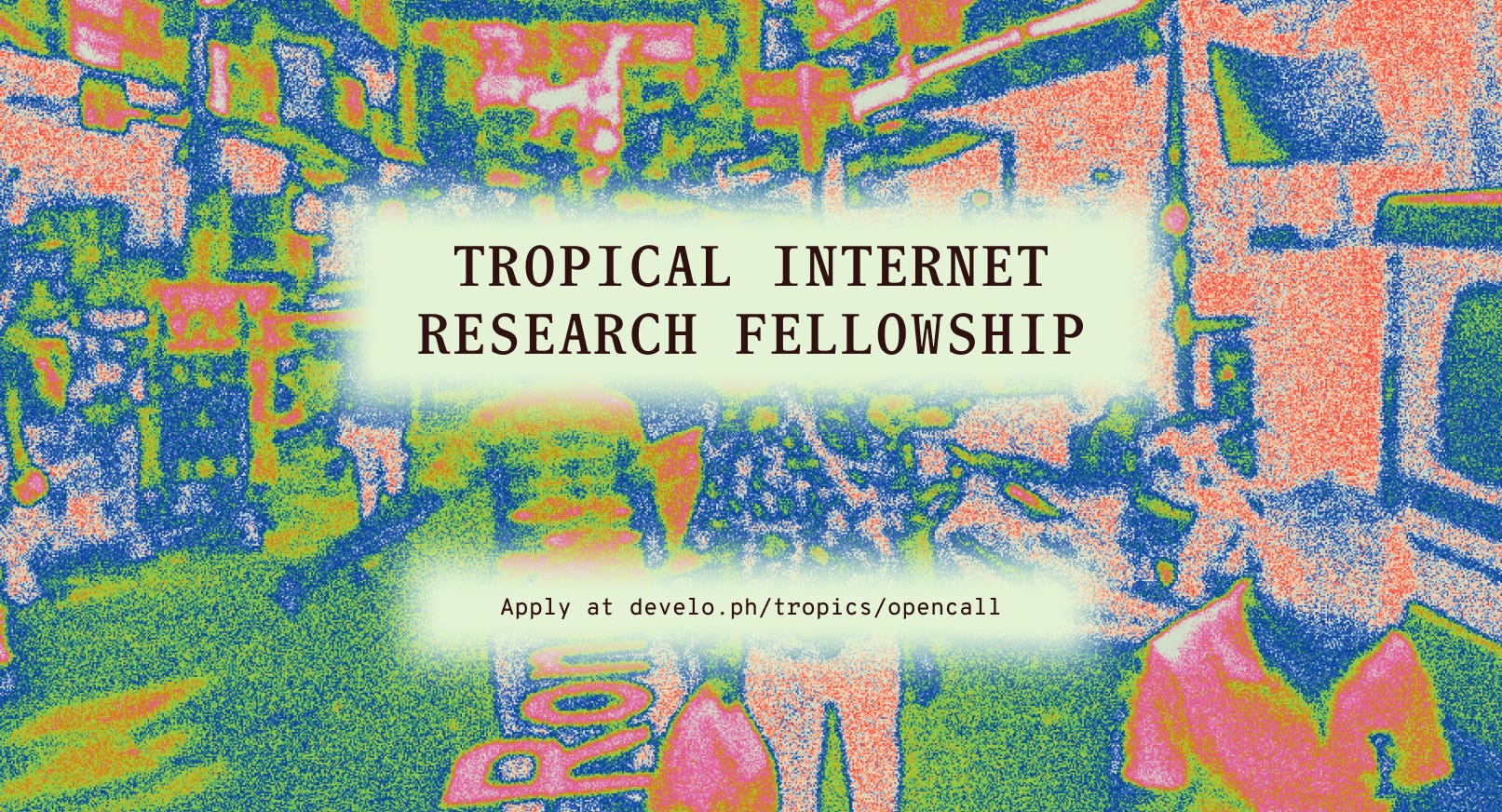
The stories we inherit about technology tend to begin far from the islands: from Silicon Valley garages to Cold War laboratories that have smuggled in dangerous values along the way: that infrastructure should be invisible, scale is good, friction is bad, break everything. On this side of the world our stories take other shapes that feel more messy, fragile, improvised, tropical.
Our inaugural Tropical Internet Research Fellowship supports researchers, writers, and artist-technologists at any career stage investigating the cultural and material conditions of the internet across the Philippines and Southeast Asia: infrastructures, digital labor, rural–urban inequities, algorithmic cultures, online intimacies, and the entanglements of land, technology, and the body. We term the ‘tropical internet’ to speak to the online as lived from the tropics: heat, monsoons, distance, islandedness, considering technology as an ecology rather than a frictionless global system.
Fellows receive a ₱20,000 (~$300) stipend, editorial and publishing support, and support with their cohort. Research runs September 2026–January 2027; publication follows March–April 2027. Write in English, Filipino, or any Philippine language. Preference goes to applicants in the Philippines, particularly outside Metro Manila.
Apply at https://develo.ph/tropics/opencall by August 22, 2026.
Tropik Talks at Accent Sisters, NYC
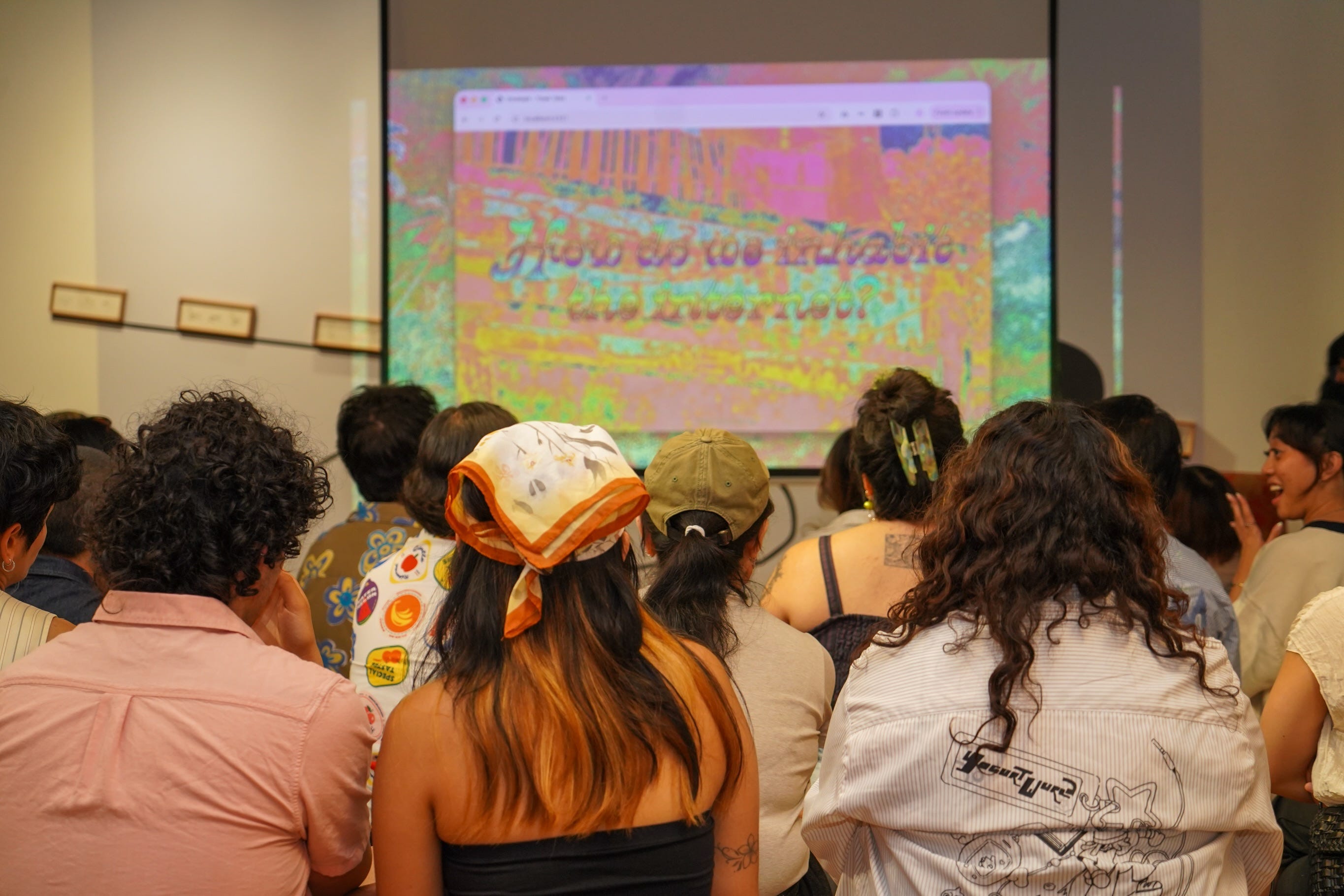
We joined the first session of Tropik Talks, hosted by Neue Sans Press (Erin May Cochanco) at Accent Sisters in New York, alongside Kittybug Press who spoke about their risograph duplicate archive and a history of Filipino zine publishing and resistance.
Our talk traced a decade of Developh’s publishing of technological artifacts through a wider definition of ‘technology’. We spoke about Kakakompyuter Mo Yan; the Philippine Internet Archive and Arkibong Bayan; and our upcoming simulation-game. Thank you so much to Erin for hosting us and for creating space for Southeast Asian artists.
Kakakompyuter Mo Yan! at Kumusta Na Kayo?
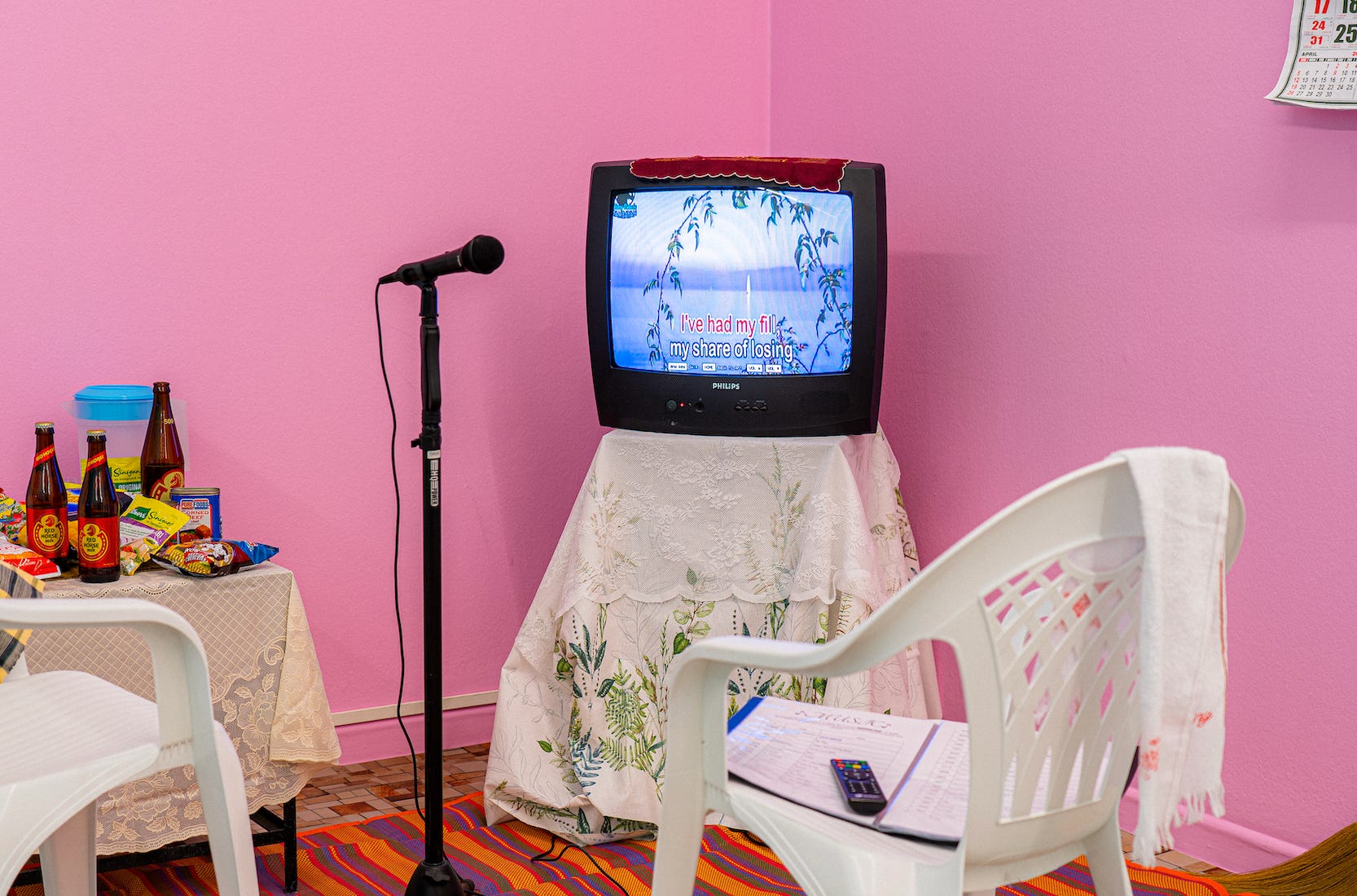
KMY spent this season in Madrid as part of Kumusta na kayo?, curated by Álvaro Talavera at La Casa Encendida (May 16–July 26, 2026). The show gathered Leslie de Chavez, Kiri Dalena, Ben Brix, MM Yu, Czar Kristoff J.P., and Chia Amisola with KAKAKOMPYUTER MO YAN, showcasing practices sitting at the intersection of memory, everyday life, resistance, and community, working through specific episodes in Philippine history to ask after colonial legacy and contemporary Filipino identity.
This edition of KMY featured Leon Leube, Kuya Marlon (deepweb dumaguete), Emmanuel Fabella, Angeline Marie Michael Meitzler, Isola Tong, Waki Badz, Mac Andre Arboleda, Cyzka Tumaliuan, Beatris Cabaña, Chia Amisola, and Kiana Fernandez.
Reminder: KAKAKOMPYUTER MO YAN is playable online, forever at https://kakakompyutermoyan.com/.
Hyperarchipelago by Waki Badz
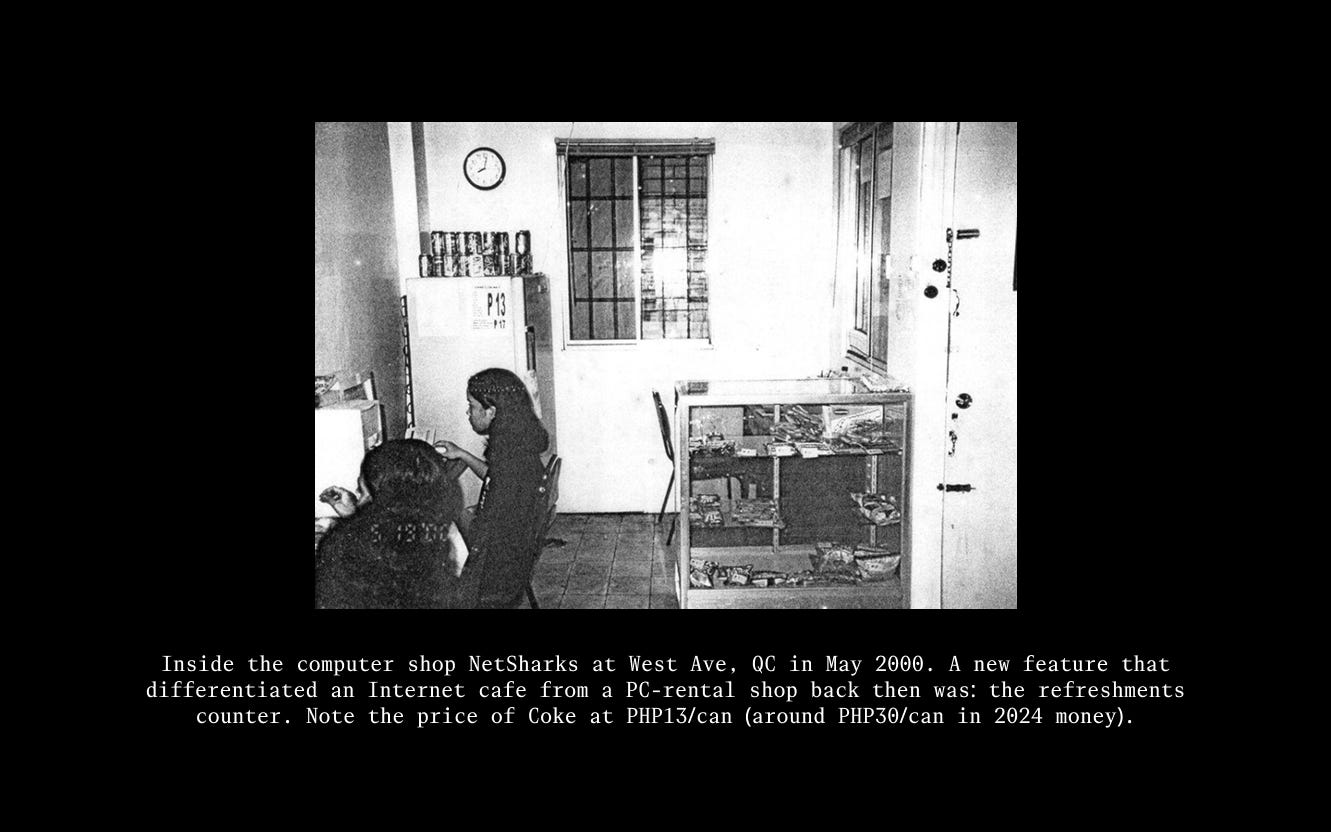
Artist-researcher Waki Badz traces the infrastructure and protocols that made the Philippine internet possible. From the birth of PhilNet in the 1990s to the telecom wars, we’re routed through submarine cables, X.25 protocol wars, FidoNet, and the night Benjie Tan drove a Cisco 7000 across Makati to hook the country up—celebrating afterwards with a large Magoo’s pizza shared with a sleepy PLDT technician.
Badz reframes the Philippine internet as a hyperarchipelago: (hyper)terrestrial separations beyond belief, an object-oriented translation of the spectacle of the internet into geography. “For the digital native, the Internet has always been there, a comforting presence occasionally marred by a lost signal.” Today it’s ubiquitous and mostly taken for granted; Waki goes looking for the materials, people, cables, committees, prices, and sacrifice underneath.
🎶 Read the essay online: https://kakakompyutermoyan.com/hyperarchipelago
Roundup
📺 Media
Sue-Lin Wong and Lian Buan’s The mayor of scamtown for The Economist on Alice Guo, the scam compound economy, and the officials entangled in it.
Karina B. Abola’s Nalilikha ba ang Ginhawa? Design bilang Kultural na Mekanismo tungo sa Ginhawa asks whether ginhawa can be designed for — open access in Diwa E-Journal Tomo 10, from UP Diliman’s Departamento ng Sikolohiya.
Elyssa Lopez for Tech in Asia on the Philippines’ bid to become a regional data center hub, and the unglamorous question of how the heat gets handled.
An interview with Czar Kristoff J.P. at Artbooks.ph, one of the artists we shared space with in Madrid.
☎️ Calls
MCAD Benilde opened the second cycle of its Travel Bursary for artists in need of travel support between September 2026—February 2027. Email mcad@benilde.edu.ph with “MCAD Benilde Travel Bursary” as the subject.
An open call for art games for an exhibit in Escolta, Manila this November. Finished work and WIPs both welcome.
Dang A Dang Radio is collecting field recordings and protest frequencies for an audio library of the sonic political ambience of our time, broadcast on Dang A Dang Radio and left open for artists to sample and remix.
🎤 Events
Counter-Occupation brings Chia Amisola and Herdimas Anggara together at Asia Art Archive in America for an evening of performance and conversation, presented alongside Prototypes for Alternative Power, an online exhibition curated by Celine Wong Katzman for the Singapore Art Museum. August 6, Brooklyn, New York.
SONA ng Bayan: tech professionals and members of Computer Professionals’ Union are gathering at this year’s State of the Nation Address to raise IT sector demands, such as Pax Silica data center buildout’s claims on Philippine land, power, and water against rising household bills. July 27, Manila, Philippines
Get Involved
We have a Discord at https://develo.ph/discord.
Say hello to us anytime at hello@developh.org
Developh is looking for volunteers and friends: if you’re a curator, editor, or program manager who’d like to help us a few hours a month, reach out and say hello to chia@developh.org with some information about yourself
This is the second issue of Developh’s newsletter. All replies land on our inbox—so feel free to say hi, or tell us more of what you’d like to see.